Rabindranath Tagore’s Chaturanga is a subtle stage of conflict and dialogue among four distinct philosophies of life—humanism, solitude, devotion, and conscience. Each philosophy unfolds through the inner world of its characters, drawing readers into a profound journey of self-exploration.This novel is not merely a story; it is a philosophical quest where the meanings of love, faith, and life gradually become blurred, yet within that uncertainty lies a glimpse of enlightenment.
Rabindranath Tagore’s Chaturanga is a subtle stage of conflict and dialogue among four distinct philosophies of life—humanism, solitude, devotion, and conscience. Each philosophy unfolds through the inner world of its characters, drawing readers into a profound journey of self-exploration. This novel is not merely a story; it is a philosophical quest where the meanings of love, faith, and life gradually become blurred, yet within that uncertainty lies a glimpse of enlightenment.
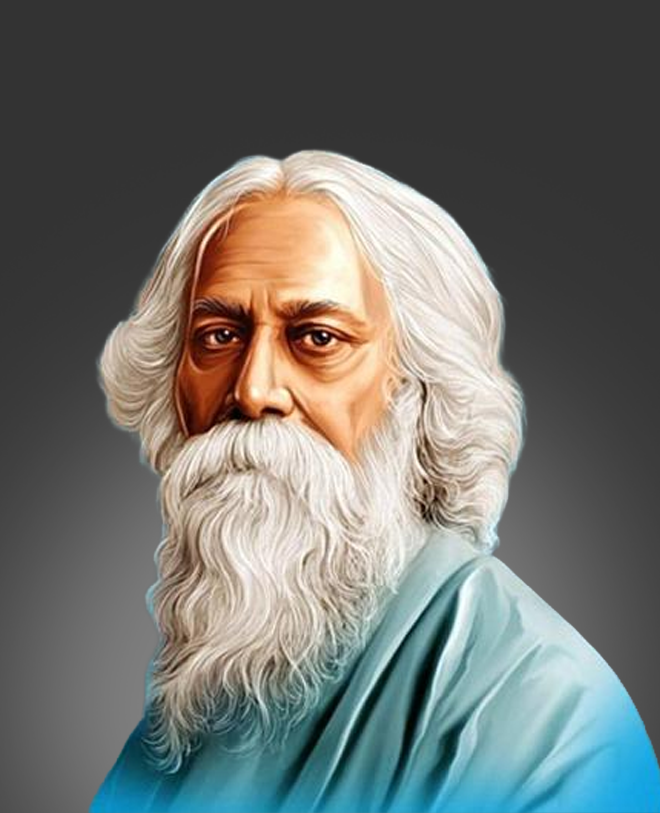
Rabindranath Tagore (1861–1941) was a world-renowned Bengali poet, writer, philosopher, composer, and educator. One of the greatest literary figures in Bengali literature, he made remarkable contributions to poetry, songs, novels, short stories, plays, and essays. He was awarded the Nobel Prize in Literature in 1913 for his poetry collection Gitanjali, becoming the first Asian Nobel laureate in literature. His songs, known as Rabindra Sangeet, re...